Common Place Value Mistakes (and How to Fix Them in First Grade)
Place value is one of the most important and most misunderstood math concepts in first grade.
Students may be able to read numbers, count, or even add, yet still feel shaky about what those numbers actually mean. When place value doesn’t click, it shows up everywhere: teen numbers, number sentences, and even word problems.
Here are some of the most common place value mistakes students make and simple, effective ways to correct them.
Teen Number Confusion
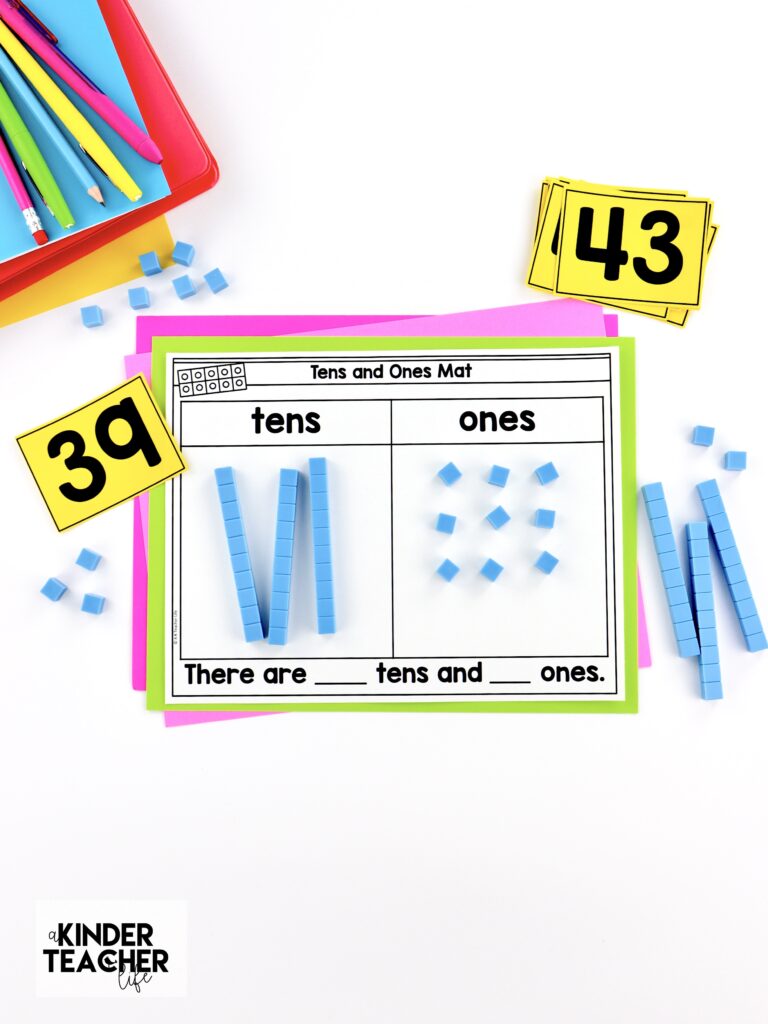
One of the biggest hurdles in place value is understanding teen numbers.
Many students see the number 13 and think:
- The 1 means “one”
- The 3 means “three”
They don’t yet understand that the 1 represents a group of ten, not a single one.
How to Fix It: Build the Number
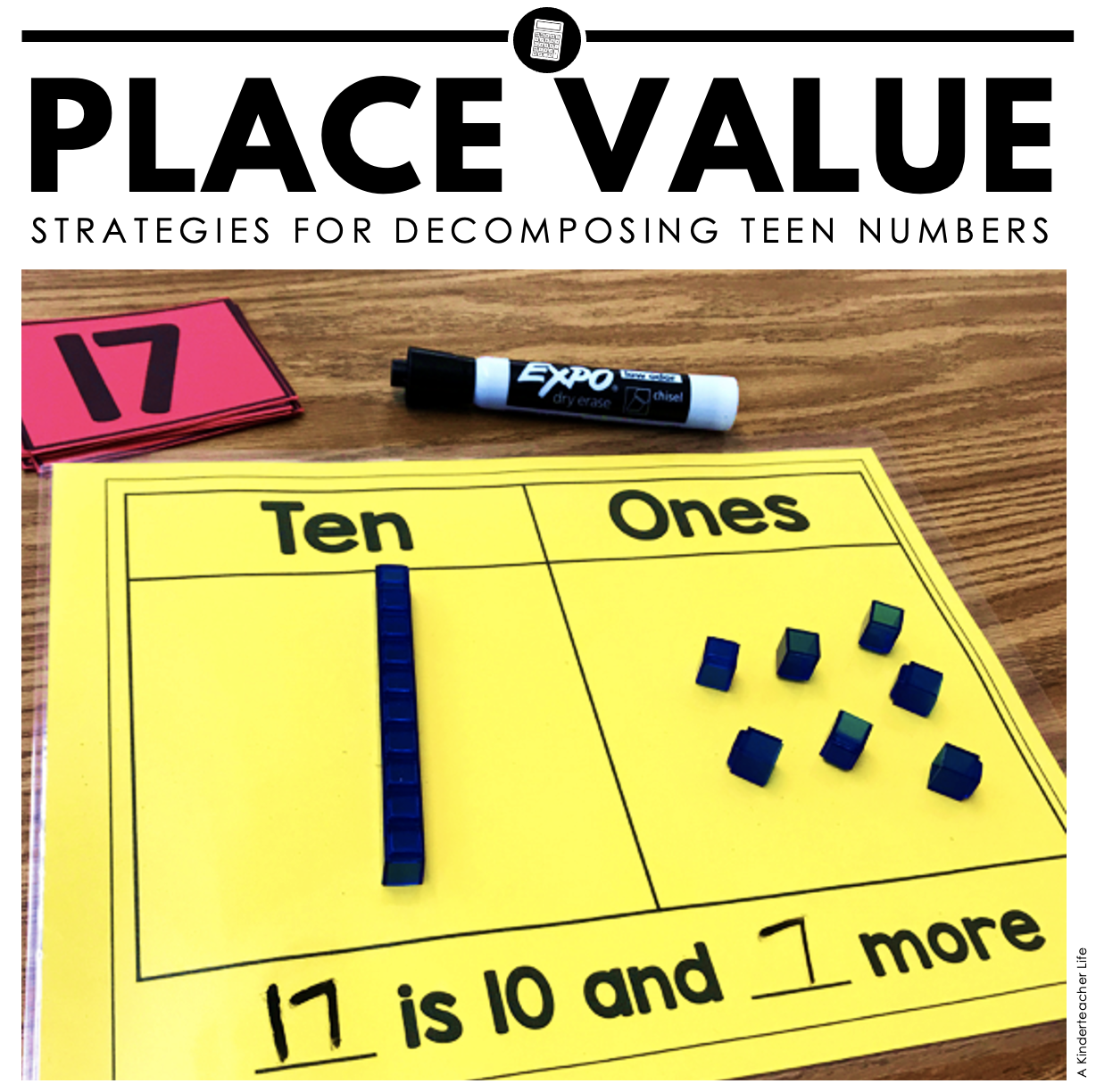
Start with concrete materials like linking cubes or base-ten blocks.
Show students the number 13 and say:
“Let’s build this number.”
First, intentionally build it incorrectly:
- Put 1 cube under the 1
- Put 3 cubes under the 3
Then ask:
“How many cubes do we have?”
Students will count and say 4.
Pause and say:
“But this number is 13. Something doesn’t match.”
Now rebuild the number correctly:
- Put 10 cubes under the 1
- Put 3 cubes under the 3
Have students count again and connect the model to the number.
Repeat this with other teen numbers so students see the pattern again and again.
Confusing Tens and Ones
Another common mistake is mixing up the language of place value.
Students might say:
- “I have 3 tens” when they mean 3 ones
- “I have 1 one” when they mean 1 ten
This usually means they need more math talk, not more worksheets.
How to Fix It: Say It While You Build It
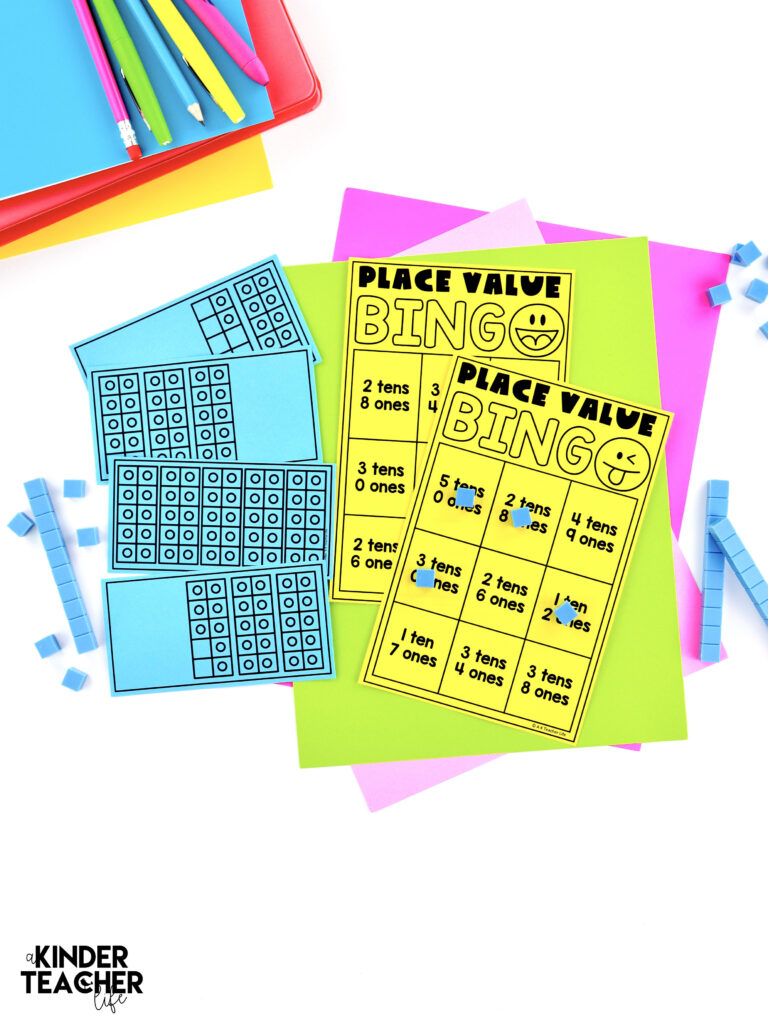
As students build numbers, require them to say what they have out loud:
“I have 1 ten and 5 ones.”
Turn this into a quick game:
- “Show me 1 ten and 5 ones.”
- “Show me 2 tens and 3 ones.”
Students build the number and then explain it using correct vocabulary.
This repeated language practice helps solidify the difference between tens and ones. You may also want to have a vocabulary board up so students can reference it.
Representing Tens and Ones as Numbers
Once students understand tens and ones concretely, the next step is representing those ideas with numbers.
This is where many first graders need extra support.
How to Fix It: Use Number Bonds
Number bonds are a powerful way to show how numbers are made.
Have students:
- Show a number as a part–part–whole
- Decompose it into tens and ones
For example:
- 13 becomes 10 and 3
- 25 becomes 20 and 5
Then connect the number bond to a number sentence.
Writing Number Sentences in Multiple Ways
Some students think there’s only one correct way to write a number sentence.
This limits their understanding of how numbers work.
How to Fix It: Show Flexibility
Have students write:
- 10 + 3 = 13
- 13 = 10 + 3
To make this a partner activity:
- One student builds the number bond
- The other student writes the number sentence
- Then they switch roles
This reinforces the idea that numbers can be shown and explained in different ways.
Final Thoughts on Place Value
Place value takes time.
Students need:
- Concrete models
- Repeated language practice
- Opportunities to connect hands-on work to symbols
When we slow down and address these common mistakes directly, students gain confidence — and the rest of their math learning becomes stronger.
If place value feels shaky in your classroom, focusing on these specific misconceptions can make a big difference.
Collaborative Place Value Games
If you’re looking for hands-on resources to support place value instruction with tens and ones, you can find the materials I use here:

How do you teach place value? Let me know in the comments section.
Happy teaching,
Tee