How To Get Students Excited About Eureka Math
If you teach first grade or are a parent supporting a first-grader, you may be familiar with Eureka Math (also known as EngageNY Math). This curriculum is well-structured and aligned to the Common Core. Its main objective is to foster deep conceptual understanding of different math topics.
Grade 1 Module 1
In Grade 1, Module 1, students explore Sums and Differences to 10. They’ll practice:
- Counting on to add
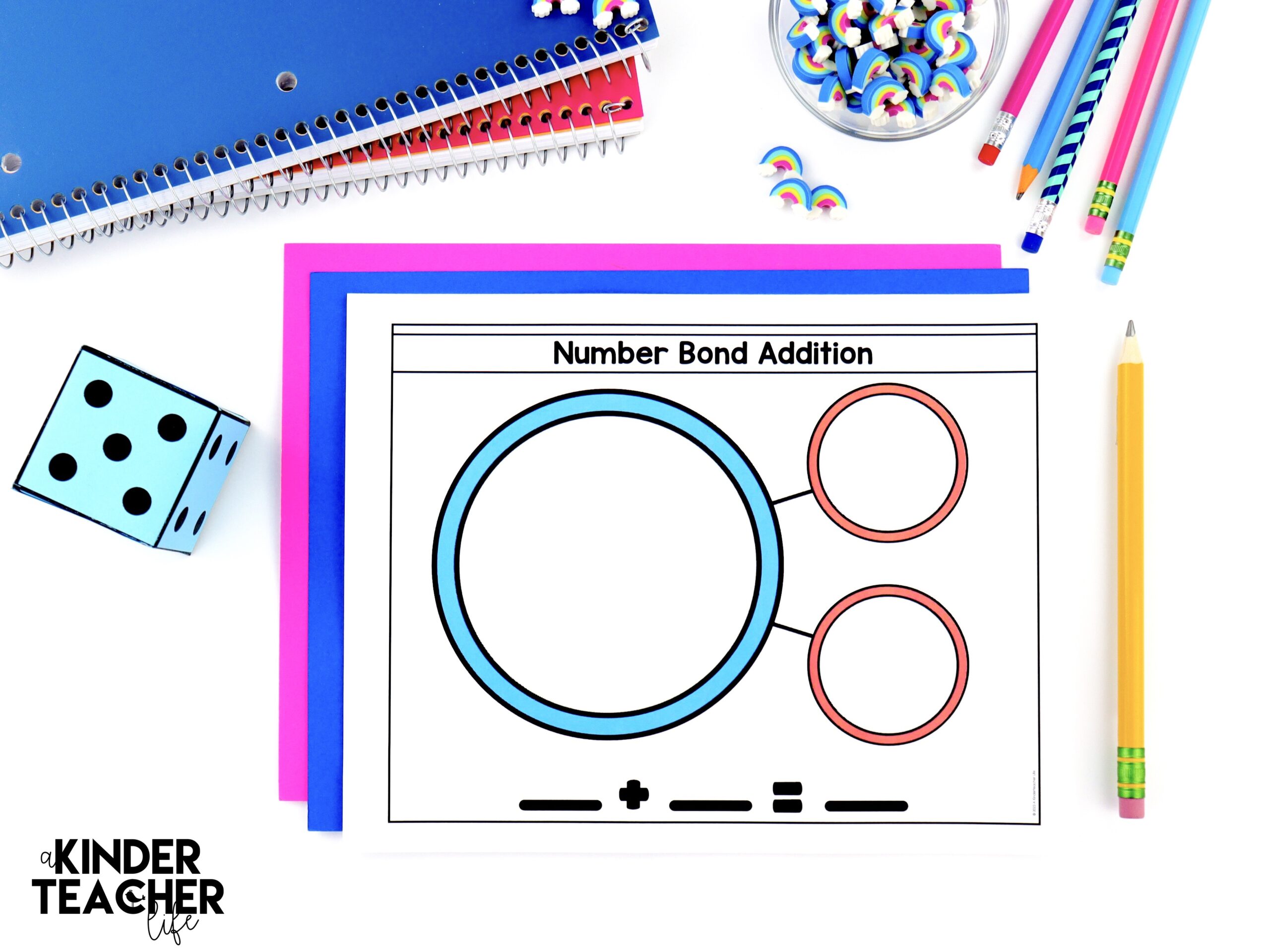
- Breaking numbers apart into parts (number bonds)
- Making 10 to simplify addition and subtraction
- Solving word problems
- Understanding subtraction as finding the missing part
- Building fluency with facts within 10

Why Hands-On Practice Matters
While Eureka Math provides a strong lesson structure, it can sometimes be light on hands-on, game-based practice. At this age, students learn best when they can use their senses to engage in math concepts.
Think of it like learning to bake a cake. You can read about or watch someone make one, but the real learning happens when you mix the ingredients and taste-test it yourself.
That’s why I created my Eureka Math Grade 1 Module 1 Hands-On Activity Pack—to give students more opportunities to bake their way to understanding.
Inside the Activity Pack
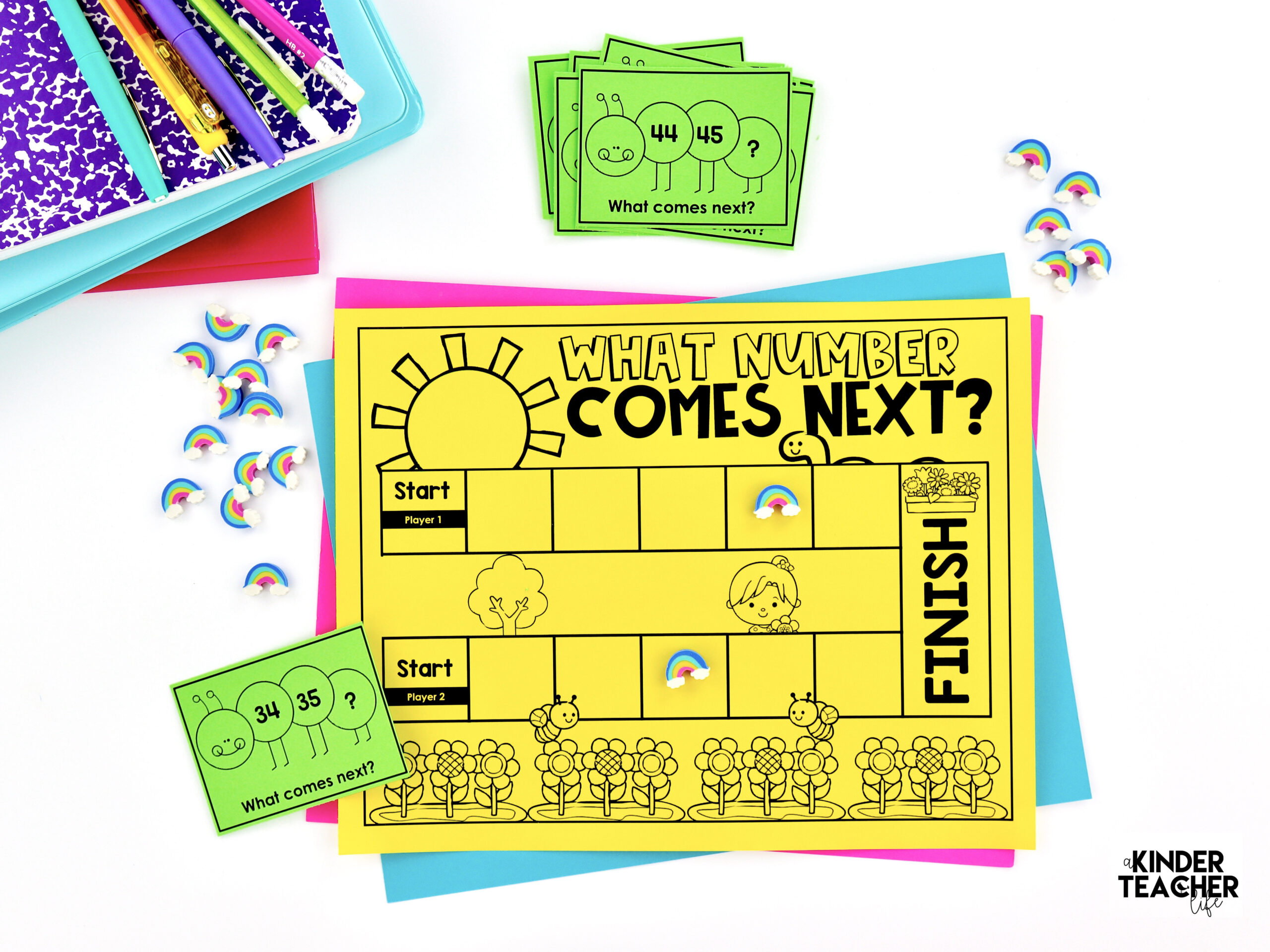
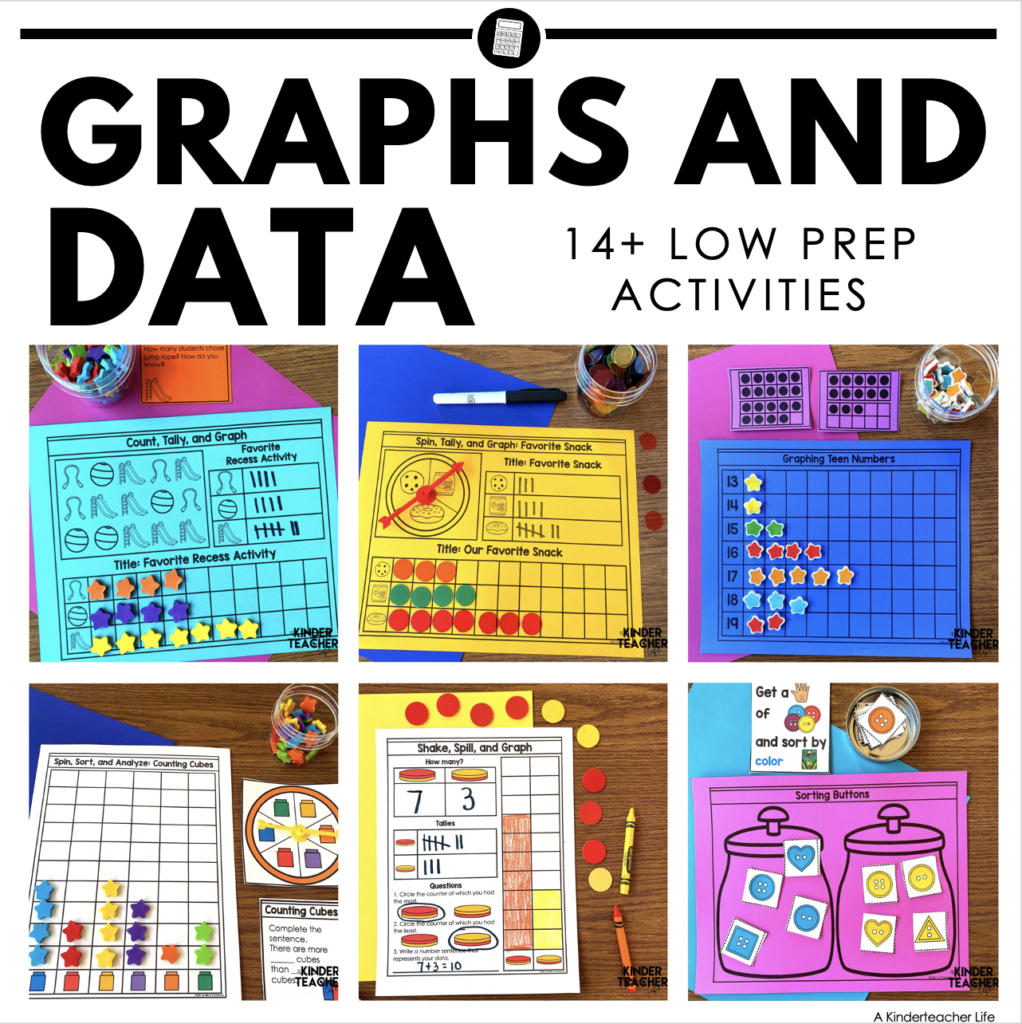
This resource includes 39 hands-on activities—one for each lesson—so students can practice new concepts through play. Using spinners, dice, and cards, these games help solidify the day’s learning in a fun, low-pressure way.
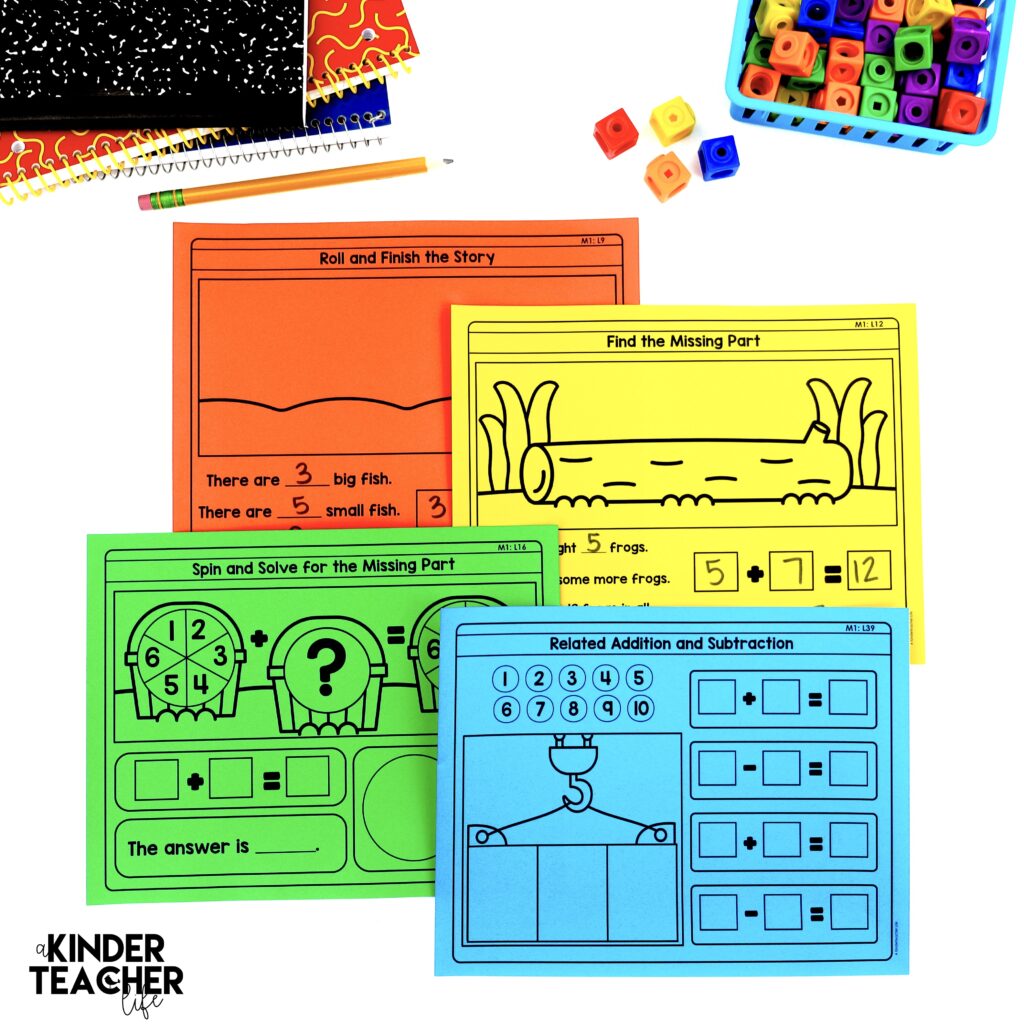
You’ll get:
- 39 differentiated math mats (one per lesson)
- Step-by-step instructions, objectives, and materials lists
- Worksheets designed for multiple learning levels
From Classroom to Kitchen Table
These activities work equally well in the classroom or at home. Teachers can use them for whole-group, small-group, RTI, or sub plans. Parents can use them as an easy, ready-to-go way to reinforce lessons at home—no prep required.
📍 Grab these math centers TODAY in my Teachers Pay Teachers store and watch your students’ confidence grow as they practice math the way kids learn best—by doing.

When kids can play, talk, and explore math, they don’t just learn it—they own it.
Happy teaching,
Tee